.png)
European Citizens’ Panel on Preparedness 2026


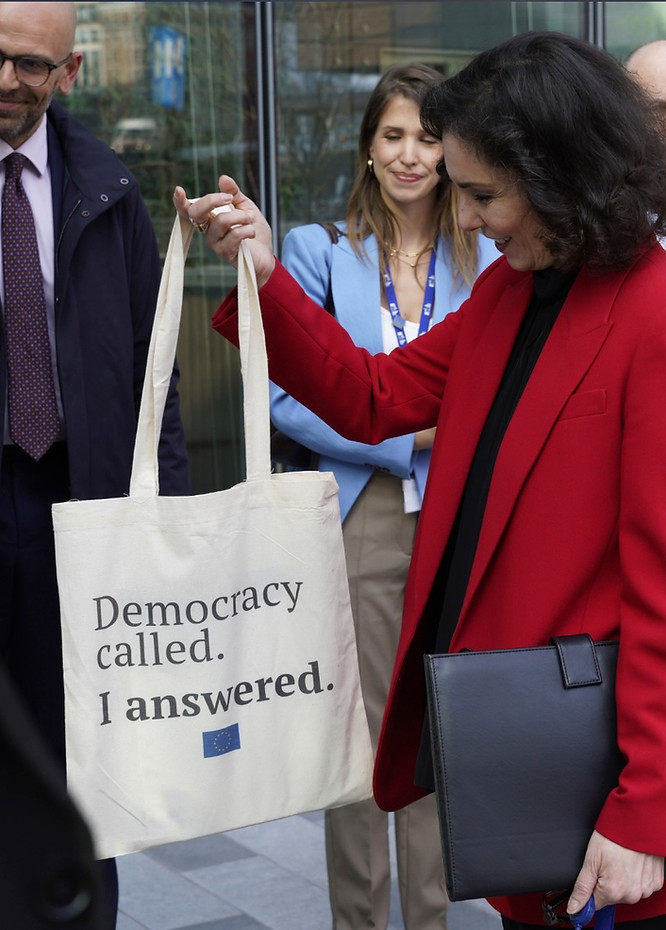
Source: European Commission,
How can Europe prepare for future crises?
Key figures
-
150 citizens selected from all 27 EU Member States
-
24 official EU languages supported
-
3,907 vote responses recorded across the process
-
637 written contributions gathered from participants
-
6,400 interactions with learning content
-
89 participants continued the exchange in the forum
-
24 official EU languages supported
A shared digital space for a European conversation on preparedness
The European Citizens’ Panel on Preparedness brought together 150 randomly selected citizens from all 27 EU Member States to consider a question of growing importance: how can Europe be better prepared for future crises?
Over the course of the panel, participants engaged with evidence, heard different perspectives and worked towards a set of collective recommendations. @gora supported that journey with a multilingual digital platform connecting learning, dialogue, feedback and decision-making across the different stages of the process.
Through the @gora app, participants could explore learning materials in their own time, revisit key topics between sessions and contribute through polls, open questions and community discussions. A chatbot trained exclusively on verified project materials offered another way to engage with the subject matter, helping participants clarify unfamiliar concepts, ask questions and deepen their understanding within a trusted information environment.
The platform was designed to evolve with the process. As discussions developed and new questions emerged, additional learning materials could be created and published in step with the panel. This made it possible to provide timely context, clarification and follow-up information before, during and between the assembly weekends, while keeping the digital experience closely connected to the conversation taking place in the room.
.png)
.png)
.png)
.png)
.png)
.png)
Polling and feedback were woven throughout the participant journey rather than reserved for the end. Questions appeared within the learning content, during assembly sessions and between meetings, allowing priorities, uncertainties and reflections to surface as the process unfolded. These insights could then inform the next stages of the programme, creating a more responsive and continuous experience.
The engagement data reflects the breadth of that participation. The app report covers 144 participants, all of whom used the platform, while 142 took part in voting. Together, participants cast 3,907 vote responses and submitted 637 written contributions, creating a substantial body of both quantitative and qualitative insight. The learning content generated more than 6,400 interactions, while 89 participants also joined the forum to continue exchanging ideas between sessions.
Multilingual accessibility was central to the experience. @gora supported all 24 official EU languages, enabling participants to access information in their preferred language and communicate across linguistic boundaries. For a process involving citizens from across Europe, this was not simply a matter of convenience; it was fundamental to meaningful participation.
The platform also supported the panel’s final voting process, helping participants move from learning and reflection to collective recommendations in a structured and transparent way. Its role was not to place technology at the centre of the process, but to provide a coherent digital space around it—one that made complex information easier to navigate, sustained engagement over time and offered participants several ways to contribute.
The project demonstrated how digital participation can strengthen the continuity of a citizens’ panel: connecting what happens before, during and between sessions, while supporting the transition from individual understanding to shared outcomes.
The project was delivered by a consortium comprising @gora, Nexus Germany, Deliberativa in Spain and Democracy X in Denmark. The process concluded in May 2026.
More info about the project here:
Get in touch
Planning a participatory event? See how @gora can help people learn, contribute and decide—before, during and between sessions.